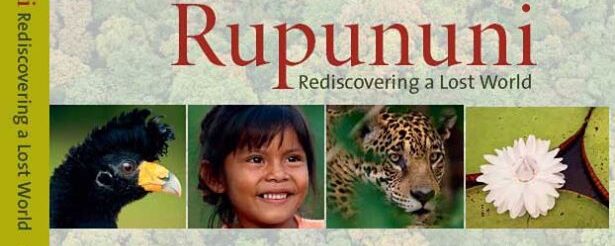
Rupununi — Rediscovering a Lost World
Where ancient geology, extraordinary wildlife, and indigenous culture meet in southwest Guyana
About this site: This is a companion to the book Rupununi: Rediscovering a Lost World. Explore the science, history, and culture of one of Earth’s last great wildernesses — where ancient geology, extraordinary wildlife, and 10,000 years of indigenous stewardship meet.
📖 Buy the Book on Amazon →The Rupununi is one of the world’s last great wilderness areas. In southwest Guyana, where the savannas meet the Amazon basin, this extraordinary landscape holds secrets that took millennia to form. Seasonally flooded wetlands drive one of the world’s great freshwater fisheries. Ancient mountains shelter species found nowhere else. And the Makushi and Wapishana peoples have stewarded one of the planet’s most biodiverse places for ten thousand years. This site is a companion to the book Rupununi: Rediscovering a Lost World. It brings together geology, wildlife, people, and history to help visitors, researchers, and policymakers understand this remarkable region.
Why it matters
The Rupununi matters for three reasons: biodiversity, people, and climate. It hosts over 1,400 species of vertebrates — comparable to the most diverse areas of western Amazonia. Its indigenous communities have managed these landscapes for ten thousand years. The intact forests are key to the Government of Guyana’s Low Carbon Development Strategy. This is one of the world’s most ambitious plans for forest conservation. In 2025, Guyana launched the Global Biodiversity Alliance at a summit in Georgetown. They named the Rupununi a model region for indigenous-led conservation. The Secretariat of the Alliance will be based in Georgetown, placing Guyana at the center of international biodiversity governance.
About this book
Rupununi: Rediscovering a Lost World uses photographs and words to tell the story of the Takutu Basin in southwest Guyana. The book explains how the landscape works — its geology, water, and seasons. It explores why species richness is so exceptional. The book also discusses how indigenous communities and conservation institutions are shaping the region’s future. It is written for everyone interested in one of the world’s last great wilderness areas.
About the authors: Rupununi: Rediscovering a Lost World was written by Graham Watkins — conservation biologist with four decades in Latin America, former Director General of the Iwokrama Centre in Guyana, and holder of a PhD from the University of Pennsylvania — and photographed by Pete Oxford and Renee Bish, award-winning wildlife photographers whose images have appeared in National Geographic. Meet the authors →
Stay up to date with the latest stories, wildlife news, and conservation updates from the Rupununi on the Rupununi Blog.
Stay updated
Get updates on the Rupununi — new stories, wildlife news, and conservation updates from one of Earth’s last great wilderness areas.