Oma “Mother of All Fish”: Arapaima and Rupununi Fisheries
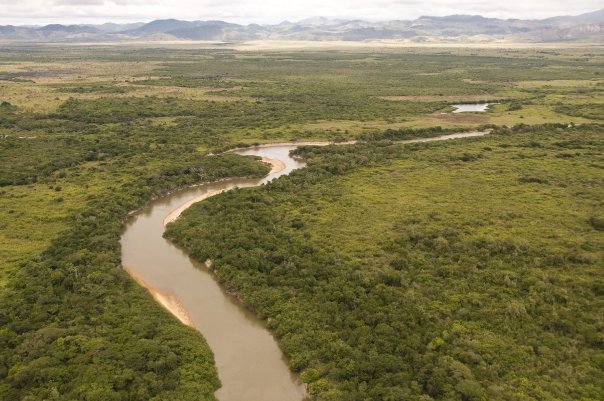
Arapaima—also known as Oma or Warapai—is one of the largest fish in the Amazon and one of the endangered giants that characterize the Rupununi. Despite more than 25 years of management work, the species remains threatened. Arapaima captures a central conservation-development challenge: supporting strong local livelihoods while safeguarding the long-term sustainability of species and habitats. In the Rupununi, Arapaima supports livelihoods in multiple ways, including sport fishing, and it has also historically been sold commercially to Brazil. Effective management, therefore, depends on how benefits flow to communities. This blog outlines why Arapaima matters to the Rupununi, how management has evolved, and where future efforts could focus.
Why Arapaima Matters
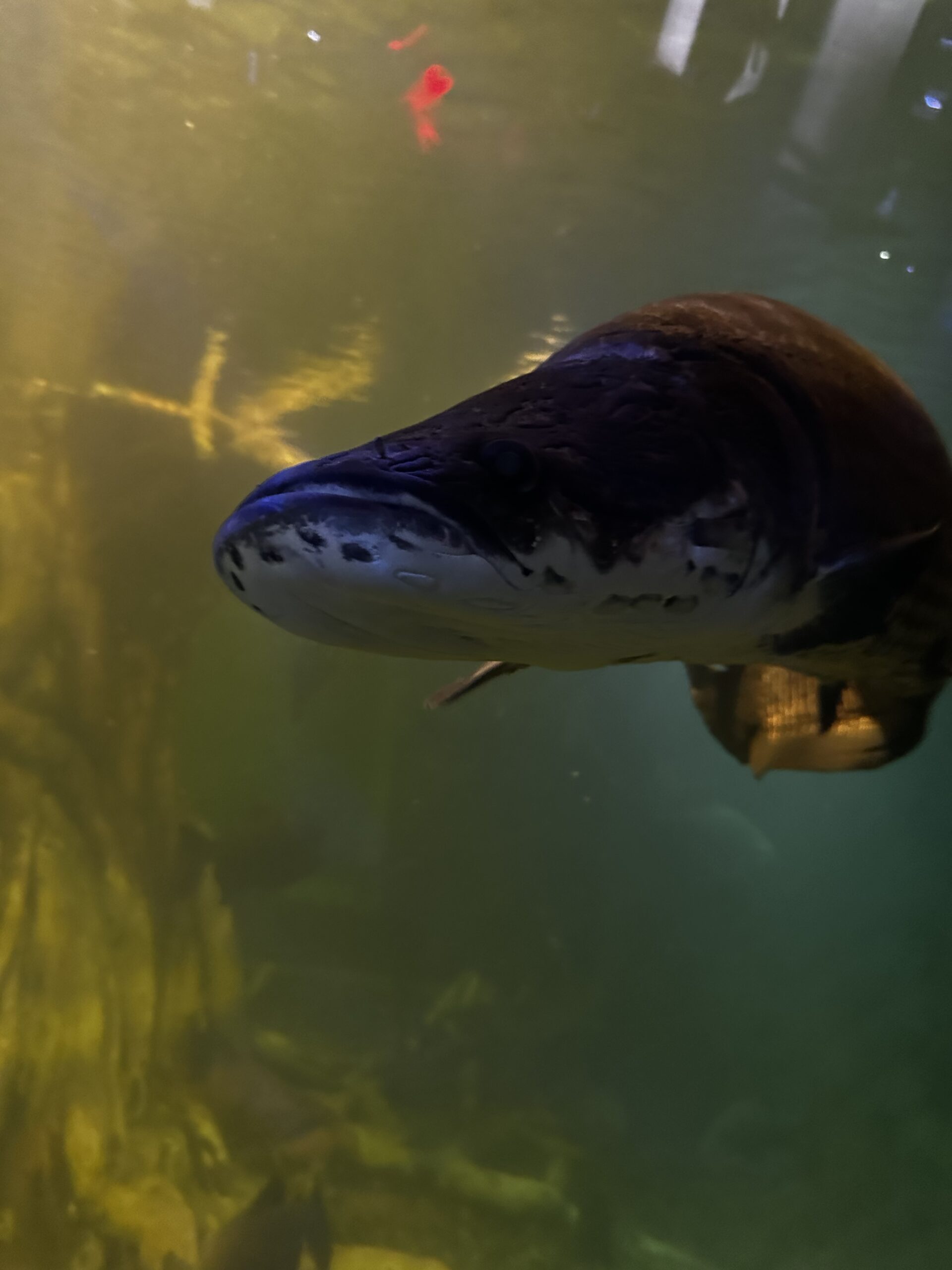
Arapaima are important predators in the dynamic aquatic systems of the Rupununi. They are large omnivores that often lie in wait for prey, functioning as apex consumers that help structure fish communities. The species is also unusual in that it is an obligate air breather, surfacing to breathe every 15 minutes or so; this allows it to persist—and feed—in hypoxic lakes as waters recede. Arapaima provide extensive parental care as well, guarding their young as they grow. Through these roles, they contribute to the Rupununi wetland ecology as seasonal migrations occur and nutrients move across habitats.
Arapaima are also an important source of food and income for local communities. They can reach 3 meters in length and weigh over 200 kg, providing high-yield, boneless meat. Historically, they have been important both commercially and for subsistence. As a result, Arapaima has generated revenue for local communities and merchant fishers through harvest and, more recently, through sport fishing. Their air breathing and surface visibility also make them a major attraction for anglers.
Arapaima also holds significant cultural value in the Rupununi and, increasingly, more broadly in Guyana. In Makushi identity, they are Oma, the mother of all fishes. Folklore narratives describe Arapaima as providing “milk” to their young via cephalic glands on their heads. This protein-rich supplement helps keep juveniles close to their parents for protection. Arapaima is also increasingly recognized for its value in catch-and-release fisheries in Rewa—a business estimated to be worth over US$ 1 million to Guyana.
From Crash to Comeback
Arapaima became endangered in the 1970s due to commercial exploitation, which drove severe population declines. Traditionally, Makushi taboos protected Arapaima, along with the belief that if Arapaima disappeared, all other fish would disappear as well. A lucrative commercial market developed along the Guyana-Brazil border in the 1970s, increasing pressure from local and foreign fishers. The overharvest occurred despite official protection under the 1968 Aquatic Regulations of the Fisheries Act, which were not enforced. The first survey estimated the population at 800 individuals in 2001.
In response, local communities worked with Iwokrama to establish a community-based management framework beginning in 2000. The NRDDB worked with Iwokrama to learn from similar systems in Mamirauá, Brazil, where fishers conducted rapid stock assessments and set harvest levels based on those counts. The NRDDB established a formal Arapaima Management Plan in 2002. The plan included fisheries committees, monitoring checkpoints, and expanded education efforts. The Government of Guyana recognized the management plan in 2007. The plan’s emphasis on community education and informal social enforcement was crucial to its initial success.
Over time, the management plan shifted toward a strict no-take ban, social enforcement, and the development of ecotourism linked to Arapaima. The ban relied on social norms and informal sanctions rather than formal legal penalties. Arapaima populations expanded from 5,800 in 2011 to an estimated 7,442 in 2021. Catch-and-release sport fishing in Rewa likely supported recovery by providing alternative incentives for some.
New Pressures, New Plans
Fisheries management is adaptive in complex socio-ecological systems. Over the last 25 years, sport fishing has emerged as a potential alternative to direct commercial harvest. Access to some Arapaima lakes in the savannah areas has also increased as the Georgetown-Lethem Road has improved. Further change is likely as Guyana develops, building on its newfound oil resources.
To improve the effectiveness of the Arapaima Management Plan, enforcement could focus on increasingly accessible habitats and on protecting nursery areas where parents care for their young. Continued work with local communities across the Rupununi is important to ensure that social norms and sanctions remain the primary drivers of compliance, particularly when formal enforcement is challenging. Lakes that are now more accessible by road and motorboat have the highest rates of illegal harvest and should be prioritized for monitoring and enforcement. Larger lakes with abundant aquatic macrophytes should be protected as no-take zones to safeguard nurseries and habitat for young fish.
Arapaima management should be part of broader fisheries management efforts in the Rupununi. Gill nets have increasingly been used in commercial fisheries, replacing more traditional gear such as bows and handlines. Because gill nets are unselective, they contribute heavily to accidental bycatch, particularly of juvenile Arapaima. Young Arapaima are especially susceptible because they group and surface to breathe. Banning gill nets, or at least restricting their use in particularly sensitive habitats, should be part of future management planning.
Future management will depend on a stronger understanding of Arapaima ecology and taxonomy. One critical question is whether Rupununi Arapaima is distinct from other Amazonian species. If it is distinct, it is likely to be considered highly endangered given its range and past population declines, which increase pressure to ensure full protection and to strengthen management accordingly. Other research priorities include clarifying migratory movements and reproductive patterns to define no-take lakes, and monitoring potential impacts of gold-mining effluents on water quality. Ultimately, if the population recovers sufficiently to allow a restricted harvest, limiting harvest size to maximize the reproductive potential of adults would be crucial.
The Path Forward
No fisheries management plan is perfect. However, efforts to manage Arapaima in the Rupununi have generally been successful. The population has apparently grown, though estimates may be complicated by climate change-related increases in drought and fluctuations in water levels. Ongoing management will depend on adaptive, community-based approaches that balance local livelihoods with long-term conservation, particularly as rapid development takes place in Guyana. Sustaining progress will require broad support across Guyana and Roraima for community-led Arapaima management that links ecotourism to the protection of key habitats, ensuring benefits continue to flow to local communities and to Guyana as a whole.