Healthy Rupununi Rivers Protect Jobs and Otters
Start with livelihoods, rights, and river health.
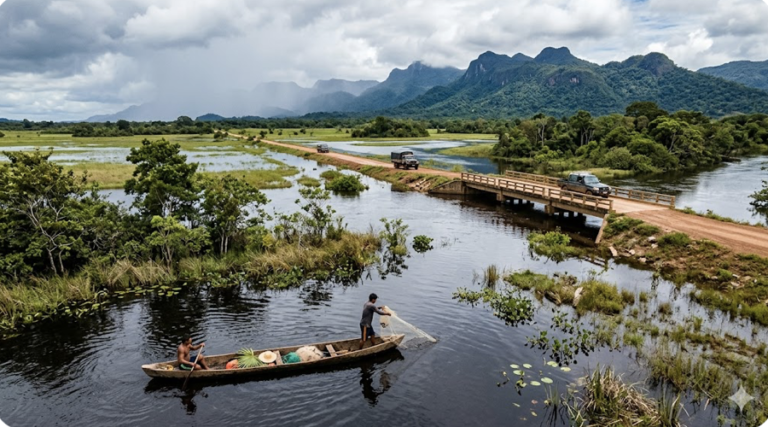
In Guyana’s Rupununi, a living river means fish move with the floods, wildlife returns, and families can earn from nature-based work. Yet rivers also carry hidden risks. Pollution can move through fish and up the food chain. When it builds in top predators, it warns of trouble for the whole system that people rely on for food, income, and identity. Giant river otters make those risks easier to see because they sit near the top of the freshwater web.
River conservation in the Rupununi is about livelihoods, rights, and who makes decisions. Otters help us judge whether rivers can still feed families, support culture, and sustain opportunity. They are a sign of river health, not the only goal.
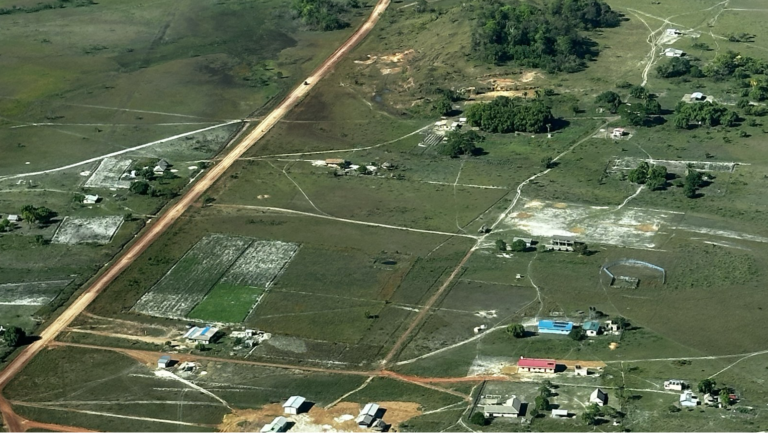
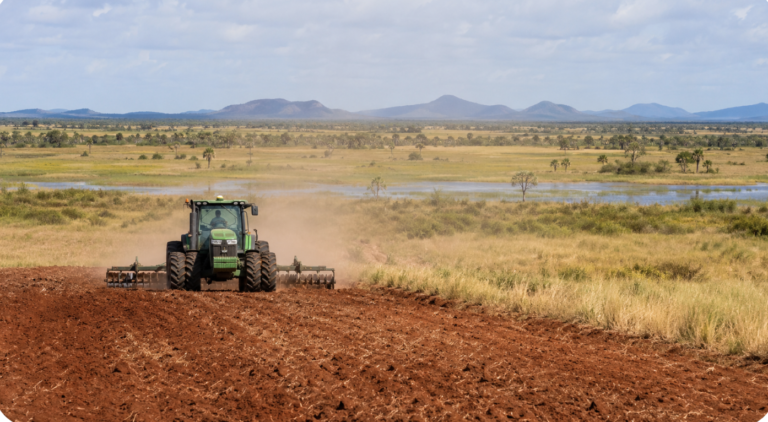
The choice is not nature versus development. It is what kind of development will last. The Rupununi holds valuable wetlands and Indigenous communities with deep ties to the land. It also faces growing pressure from activities that fragment habitat or contaminate water. A better future is possible: connected wetlands, fewer fights over fish, and tourism that pays communities to protect wildlife. However, rivers can be damaged quickly by pollution, noise, and unmanaged access.
Guyana should protect connected wetlands, support community-led conservation, and tightly manage ecotourism. The point is simple. When policies preserve the flood-linked wetland system, otters can thrive. That same outcome supports fisheries, tourism, and local stewardship rather than conflict and decline. This blog covers three questions: what changes when otters are present, what species rehabilitation can and cannot do, and what policy steps can make gains last. By the end, readers can judge which choices protect river health and local opportunity, and which ones raise long-run costs.
Otters warn us when rivers are failing.
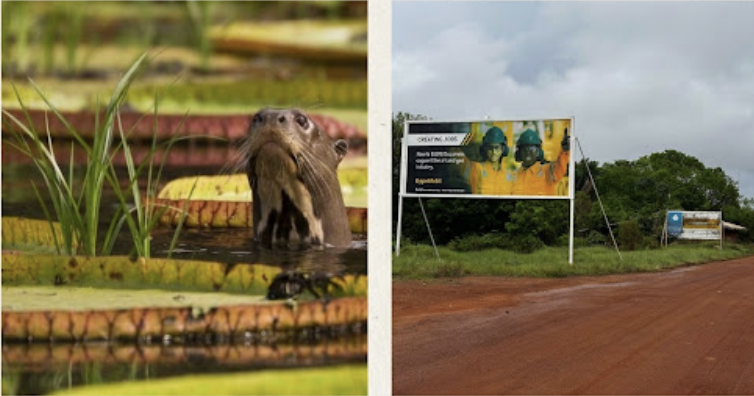
Otters shape freshwater life through what they eat and how they hunt. In South America, they are major fish-eaters and top predators. They take many kinds of fish and adjust to changing water levels. Removing weaker or parasite-affected fish can help keep fish communities balanced. When otters vanish, it may signal habitat damage or a broader shift in prey, not just a change in one species. In a flood-driven system like the Rupununi, predators that follow fish movements help keep the wetlands productive.
Otters also need space and connected waterways. They rely on the seasonal flood pulse that links rivers, creeks, and lakes, allowing fish to move across the wetland system. Connectivity matters for young “transient” otters that roam to find mates and new territories. When waterways are cut off, groups can become isolated. Fragmentation can come from damaged banks, altered channels, or barriers that change water flow. Over time, isolation lowers the chance that depleted areas will be recolonized.
Giant river otters act as an early warning for river health because they concentrate what the river contains. As top predators that eat fish every day, they can build up toxins that enter waterways and move through the food web. Mercury from small-scale gold mining can accumulate in sediments as methylmercury. It then builds up in fish and, finally, in otters. In parts of the Guianas, measured mercury levels in otters have reached 13.5 µg/g, close to three times the stated safety threshold of 5.0 µg/g. When otters carry dangerous loads, the rivers that support people’s food and livelihoods may be at risk too.
Protecting otters means protecting clean, connected, flood-linked wetlands.
Rehabilitation works best with a conserved habitat.
Guyana’s Rupununi is known for giant otter rehabilitation at Karanambu. Yet rehabilitation only works when the habitat can receive otters. The main task comes first: protect clean water, quiet riverbanks, and wetland corridors that otters need for territories, dens, and movement. When those conditions fail due to pollution, disturbance, or broken waterways, releasing orphans becomes a stopgap measure. The landscape can no longer support stable family groups.
Within that habitat-first approach, Karanambu’s methods still matter. They show what careful rehabilitation can achieve when the river system is suitable. Release was gradual and based on proven skills, not a single handover. Cubs learned water and fishing skills over time. They practiced first in ponds and then in natural settings, with supervised river sessions. The program used “soft release,” so otters could spend longer periods away from human care as their confidence grew. Social learning also mattered. Rearing in pairs or groups improved adaptation, and limited contact with wild otters helped rehabilitated animals learn key behaviors.
Guyana’s wildlife laws also matter. They treat the giant otter as a protected species that must not be trapped, hunted, or killed. Offences can bring serious fines and prison time. Laws set a basic standard for river use. They protect wildlife and help protect the long-term health of the waterway that communities depend on. Still, the law only works when it feels fair and practical locally. Communities, guides, and fishers need clear rules, credible enforcement, and a way to report and solve problems without losing livelihoods or customary access.
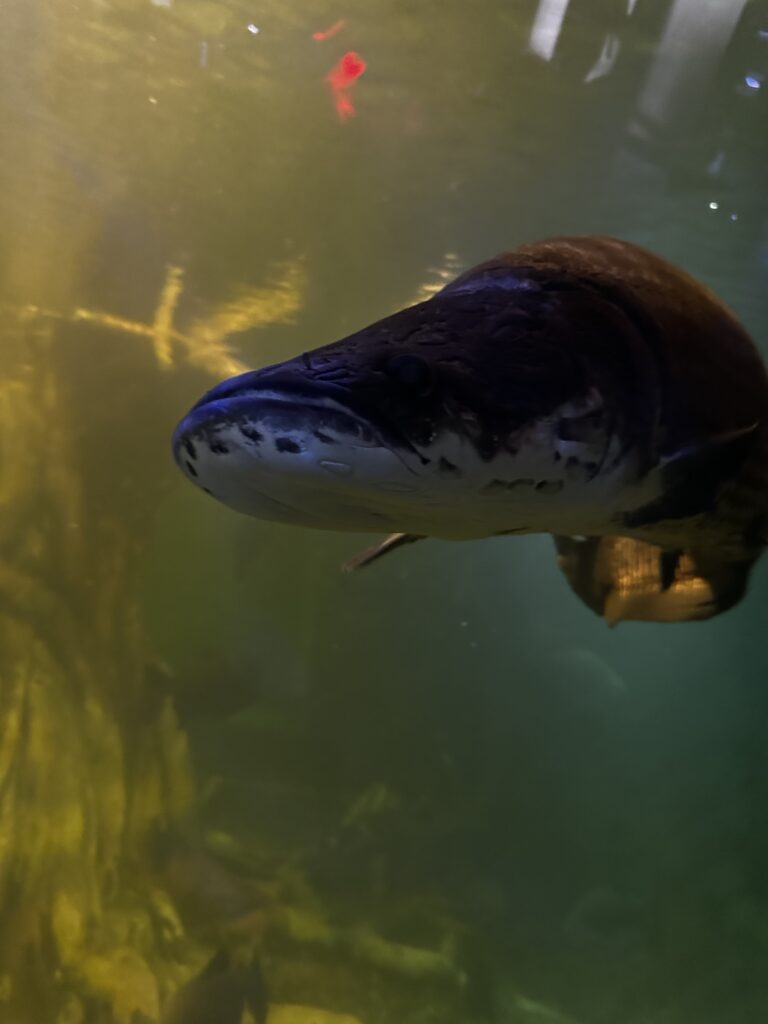
That is why Guyana needs “more eyes” on rivers, much like the local vigilance that helped Arapaima recover in the Rupununi. Management is not about outsiders policing local life. It is community-led stewardship with the authority, training, and support to act on local priorities. Enforcement agencies cannot be everywhere across a flood-linked wetland landscape. So lasting protection depends on monitors, guides, fishers, and residents who choose to take part. They can document threats, discourage harmful behavior, and call for a response before damage spreads. When reporting is transparent and benefits are shared, monitoring becomes a locally accountable early-warning system.
Monitoring is as important as rescue.
Giant otters are not “drop-in” animals. They live in family groups that defend river territories. They scent-mark dens and campsites, and they use calls and direct encounters to push rivals away. The behavior strengthens in the dry season, when groups pack into narrow channels. In a flood-pulse system, groups may shift where they feed as fish spread into flooded areas. Territory loyalty can also change with the seasons. This complexity means releases can fail even when an otter is healthy. A rehabilitated animal may be forced out, injured, or killed by resident groups. It may also leave a good habitat if disturbance or conflict is too high.
Monitoring has two linked jobs. First, it tracks the health of wild populations. That includes where groups live, whether they breed, which dens are active, and whether key habitats are being abandoned. Second, it checks what happens after releases. Do rehabilitated otters survive? Where do they move? How often do they meet resident groups? Do they integrate or set up territories without raising conflict? Monitoring should also record signs of human–otter conflict, such as repeated complaints in certain reaches or deaths linked to retaliation. Without this evidence, it is hard to tell whether conservation spending improves population survival or moves animals into high-risk places.
Effective monitoring calls for field methods that fit rivers, not paperwork. It means repeat boat surveys and sign surveys at dens, latrines, and scent sites. It can include camera traps in key sections of the river. Where feasible, teams can record individual throat markings. It also needs a simple way to collect local observations from trained community monitors and guides. The goal is not surveillance for its own sake. It is management that can change course. Monitoring can flag disturbance hotspots, identify refuge areas where tourism should not enter, and choose release sites and timing that lower the risk of lethal territorial encounters.
The results show what is possible when rehabilitation fits the species and the landscape. Out of 34 orphaned otters, 28 (82%) survived to a condition suitable for release. Eighteen (53%) returned to the wild and integrated into the Rupununi river system. Monitoring followed some individuals for up to four years. Observations included integration into wild family groups. They also included at least one rehabilitated female pairing with a wild male and rearing a litter. The program also recorded hard limits. Deaths included territorial conflict with wild otters and killings by local people during early release stages.
Slow, skill-based rehabilitation can return orphaned otters to the wild—if social and human risks are managed.
Tourism can pay when communities set rules.
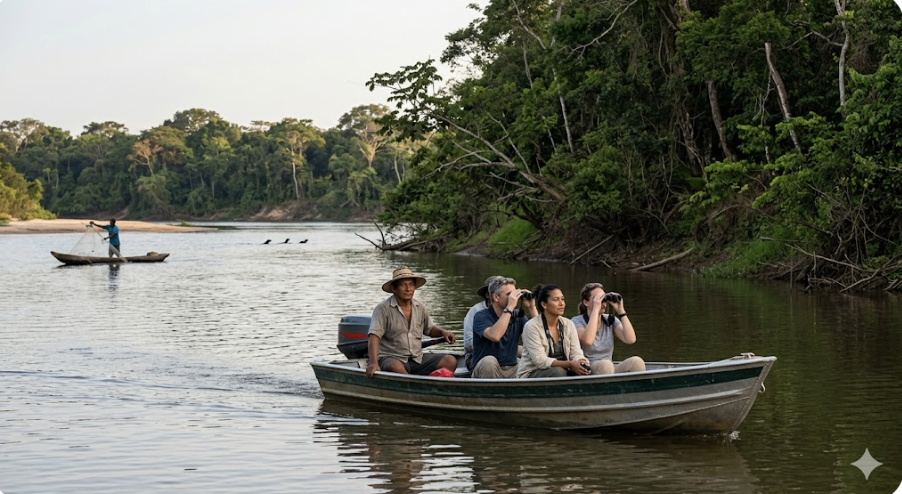
Otter conservation supports livelihoods when communities control how tourism and conservation happen, and when benefits are steady and shared. Giant otters are visible and active by day, which can make them a strong focus for wildlife tourism. However, tourism only works if local rules protect fishing access, respect cultural priorities, and prevent disturbance at dens. Karanambu’s shift from a cattle ranch to a conservation trust shows one path a place can take. Many Rupununi communities are building their own approaches through guiding, hospitality, research support, and community conservation areas. These efforts can reduce pressure from damaging activities. They work best when communities set the terms, keep decision power close to home, and see direct returns for stewardship.
Over time, stronger habitat protection and clear local rules can reduce the drivers of orphaning and conflict. Ecotourism can help when it brings real benefits to communities. If fewer otters are displaced, harmed, or killed, the need for rescue and rehabilitation should fall.
Benefits and safeguards that make ecotourism work for communities.
- Transparent benefit-sharing: agreed formulas for how guide fees, lodge revenue, permits, and wildlife-viewing fees flow to households and to community funds (e.g., for health, education, or river management).
- Free, prior, and informed consent (FPIC): communities decide whether, where, and how tourism operates, with the ability to pause or change rules if impacts or inequities emerge.
- Local guide certification and standards: community-approved training for guides and boat operators (distances, den avoidance, noise limits, group size, and seasonal closures), paired with enforcement that protects both otters and fishing access.
- Grievance and dispute pathways: clear, safe ways to report problems (rule-breaking visitors, non-payment, harassment, wildlife disturbance, or conflicts with fishing) and a known process for resolution.
- Community-led monitoring tied to decisions: monitoring data (otter sightings, den status, disturbance, and conflict hotspots) triggers locally agreed responses—such as temporary refuge zones, route changes, or stricter rules—rather than sitting unused.
- Safeguards for equity: steps to ensure benefits reach women and youth, and that households most affected by rules (e.g., fishers near key otter reaches) are not left carrying the costs without compensation or alternative opportunities.
Reducing conflict with fishers takes problem-solving and shared rules, not blame. In many river communities, fishing supports both food and income. So, any animal seen as lowering catches can become a flashpoint. Conflict is sharper in the dry season, when people and otters share the same narrow channels. Tensions can bring real costs for families. People may lose time moving nets or shifting sites. Catches can drop in favored spots, and gear can be damaged. These pressures can also put otters at risk if frustration leads to harassment or killing. Fishers’ knowledge matters here. In Guyana, they may be the people who see otters most often. Coexistence works best when it is locally led, with agreed den buffers, guide training, and benefits from live otters that people can see and trust.
Put simply, the Rupununi’s future will be decided by the people who live with these rivers. Outside researchers, NGOs, and government agencies can bring funding, tools, and legal support. However, their role should be to back community decisions. That means strengthening local governance, respecting free, prior, and informed consent, and building skills that stay in the community after projects end.
These tensions sit on a long history of persecution. Across Amazonia and the Guianas, giant otters were heavily hunted for their velvety pelts. Hunting peaked in the mid‑20th century and drove local extinctions in many places. In the Rupununi, local accounts and conservation histories describe otters being shot for skins through much of the 20th century. The practice then tapered as pelt markets collapsed and protections strengthened. By the late 1970s, international trade was effectively curtailed. By the 1980s–1990s, the “supply” of orphaned cubs at Karanambu reportedly began to dry up as killing declined. This history matters because it shows how quickly incentives can lead to population collapse. It also shows why today’s fishery tensions must be addressed before they harden into a new pattern of persecution.
The state’s role grows as tourism expands. Uncontrolled access can undermine the wildlife on which community tourism depends. Evidence suggests that poorly managed tourism can stress otters, disrupt denning, and lead to breeding failure or site abandonment. That is why rules must be enforceable on the ground. Practical steps include limits on visit frequency and group behavior. They also include community-approved guides, minimum distances, quiet zones, and refuge areas where tourism is off-limits. Land and water policy matters too. Keeping wetland corridors connected supports fish movements and the predators that depend on them. Recent initiatives to formalize Indigenous Community Conservation Areas—covering 741,000 acres in the Rupununi—show how secure community tenure and support can build lasting management capacity.
Smart policy makes tourism and conservation pay by backing communities and enforcing low-impact rules.
Protect rivers to protect livelihoods.
Guyana can protect river health and expand local opportunity by keeping the Rupununi wetlands connected. It can also manage otter tourism with firm rules. The main lesson is that otter survival tracks river integrity. It depends on clean water, intact banks, and flood connections that keep fish and wildlife moving. When these conditions hold, communities can earn from tourism and sustain fisheries without rising conflict. The three anchors below explain why this approach works in practice.
First, otters signal whether rivers remain safe and functional because toxins and disruptions accumulate at the top of the food web. Second, long-term protection depends on the habitat that stays intact in practice. That means clean water, connected wetlands, and quiet riverbanks, backed by law and by “more eyes” on the ground. Third, rehabilitation at Karanambu shows orphaned otters can return to the wild. However, success depends on monitoring that confirms survival and manages risks linked to territorial behavior. Together, these points lead to a clear message. Habitat protection plus monitoring is the surest path, and rehabilitation is a support tool that works best when the landscape and local governance are strong.
A living river depends on choices that keep waterways productive, connected, and safe for people and wildlife. When policies protect connectivity, limit disturbance, and support Indigenous and community conservation areas, otters can remain a visible sign that the system still works. Practical priorities include stricter rules for low-impact tourism, support for community-led river governance, and action on pollution that moves through fish and into top predators. The cost of inaction is quiet but lasting: fewer wildlife jobs, more conflict, and a river that looks abundant until it suddenly is not. Success should be measured first in secure livelihoods and rights-based local governance over rivers. Otters then serve as a shared sign that those community priorities are being sustained. For the wider economic governance context shaping these pressures, see Forestry Institutions in a New and Evolving Role at Watkins Advisory. The historical context of how commodity booms shape resource governance is explored in Guyana 1962–1975 at The Next Wave.
Explore the Rupununi
Dive deeper into the Rupununi’s natural and human world. Explore the region’s ancient geology and Guiana Shield, the remarkable wildlife of the Rupununi, the rich history of human settlement, and the living culture of the people of the Rupununi. Learn more about the authors behind this companion site, and follow the latest thinking on conservation and development in the Rupununi Blog.
Follow the Rupununi on Facebook for new stories, wildlife news, and updates from the book: facebook.com/rupununi.org
Discover more from Rupununi: Rediscovering a Lost World
Subscribe to get the latest posts sent to your email.