El Niño and La Niña Hit The Rupununi Hard
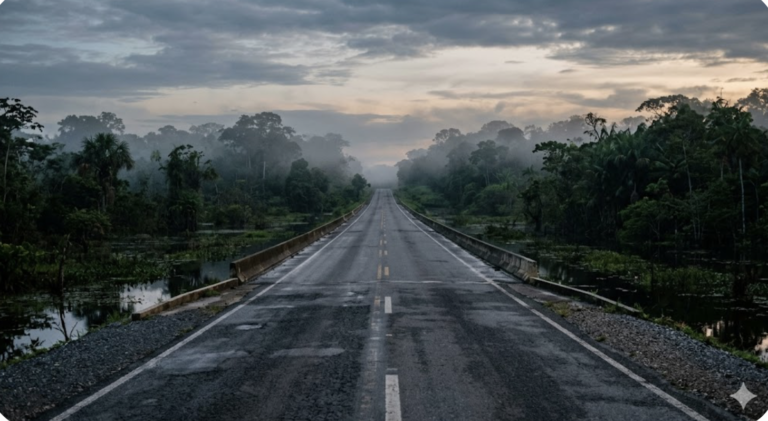
In early 2024, Roraima declared a humanitarian emergency due to drought, and more than 4,000 fires broke out at once. Key rivers fell to historic lows, including the Rio Branco, which reached -15 centimeters. The same Rupununi–Roraima corridor links Guyana’s Rupununi with Brazil’s Roraima across savannahs, wetlands, and floodplains. Because of that, everyday systems—river travel, farming, and water supply—sit exposed to fast swings in rain and river levels. The 2023 El Niño also pushed temperatures 3 °C above average and intensified heat waves, raising health risks and increasing fire risk. When conditions flip this quickly, routine planning fails, and communities can move from water scarcity to flood isolation under the same climate pattern. We are now being warned of a super El Niño coming this month that may bring equally devastating consequences.
This swing is tied to ENSO—the climate cycle that drives El Niño and La Niña. Across northern South America, El Niño usually means longer dry spells, while La Niña usually means heavier rain. As a result, the same communities and services must cope with two very different hazards. El Niño is not just “dry weather.” It drains lakes, ponds, and community wells. By contrast, wet-year flooding inundates farms, villages, and roads, leaving people cut off. For the public, the point is simple: these phases change what is safe to plant, where you can travel, and how reliable water will be. For policymakers, the practical response is an integrated drought–flood approach that treats ENSO phases as decision triggers, strengthens monitoring and early warning, and protects high‑risk ecosystems and livelihoods before losses cascade.
That is why it makes sense to plan around ENSO phases across the Rupununi–Roraima corridor. If agencies and communities treat El Niño and La Niña as clear warning signals, they can act earlier on drought, flood, and fire risks rather than waiting for systems to fail. ENSO reshapes water extremes, which then drive ecosystem stress and livelihood disruption. Therefore, losses grow when governance treats hazards as separate events. This blog lays out how ENSO phases map to distinct water and climate extremes. It then traces how those extremes produce megafires and ecosystem stress. Finally, it shows how livelihoods, infrastructure, and public health come under pressure, and what a practical state response looks like. For the public, the goal is clearer expectations and fewer surprises. For policymakers, the goal is a minimum package—monitoring, preparedness, and protection—that aligns with phase‑specific risk and reduces avoidable losses.
What El Niño and La Niña do in the Rupununi
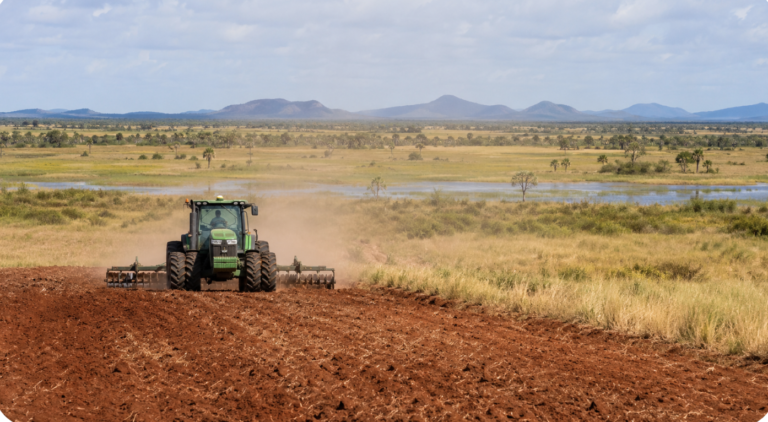
ENSO extremes push the corridor between long dry spells and intense wet‑season flooding. During El Niño, the region can face precipitation deficits of 50 to 100 mm per month. For example, in the 1997-1998 El Niño, rainfall fell 75% to 85% below average in Guyana and neighboring Roraima. As a result, lakes, ponds, and critical community wells in the Rupununi can run dry. Successive severe El Niño events also align with large declines in deep groundwater storage. Because deep groundwater replenishes slowly, water stress can persist even after the dry period ends. During extreme El Niño years like 2023-2024, major rivers reached historic lows. The Rio Branco dropped to -15 centimeters, which constrained access and services that depend on river levels. In combination, drought tightens water supplies for households, ecosystems, and the economy. Therefore, one bad dry season can become a wider shock.
La Niña brings the opposite problem: too much water for too long. Heavy, prolonged rainfall raises flood risk and widens inundation across connected wetlands and savanna–forest edges. La Niña can raise the likelihood of extreme flooding by a factor of five. It can also increase 10-day rainfall intensities by 22% compared with neutral years. Upper Rupununi communities report recurrent wet-season flooding that covers farms, villages, and transport corridors, disrupting food access and the movement of goods. In Roraima, rainfall analysis also reports a long-term rise in intense single-day rainfall events. Therefore, people should expect short, heavy bursts during the rainy season. Flood magnitude, duration, and timing can also shift in non‑linear ways. So higher peaks do not always mean longer inundation, which complicates decisions about roads, settlements, and farms. As a result, planners must think about timing, access constraints, and repeated isolation—not just peak flood levels.
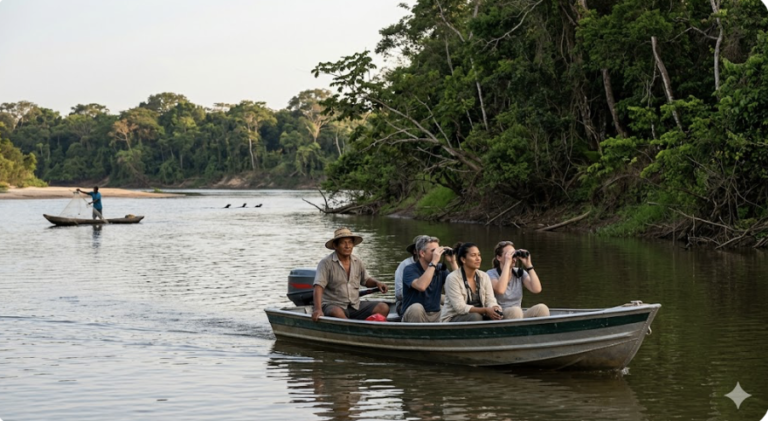
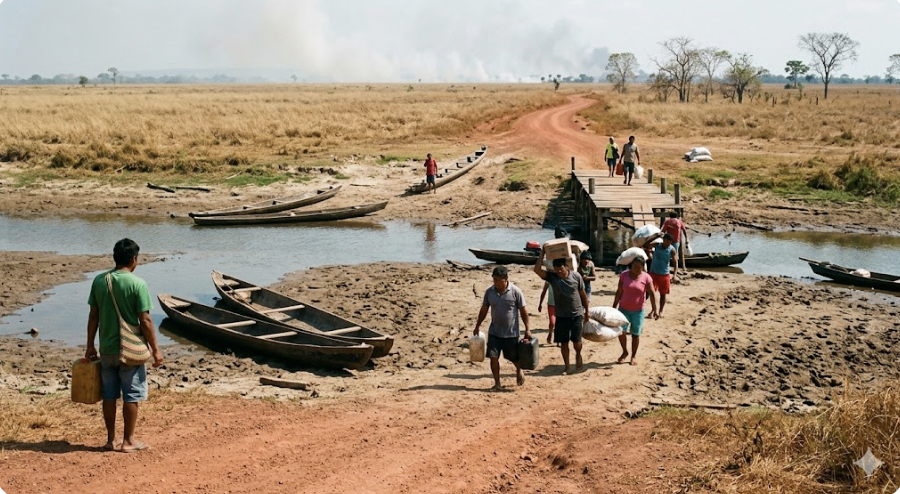
ENSO also drives heat and river-level extremes that disrupt daily life, even when rainfall totals are not unusual. In 2023, El Niño brought temperatures 3 °C above average and intensified heat waves. As a result, water systems came under additional stress, and heat‑ and smoke-related health risks increased. River levels also shift with ENSO phases. Therefore, flood peaks and drought lows change the windows for navigation, access, and corridor connectivity. The seasonal “Rupununi Portals”—flooded savannas linking the Amazon and Essequibo basins—depend entirely on the ENSO phase, so basin connectivity is phase‑specific. Record-low river levels have isolated communities that rely on river transport and disrupted services during regional drought years. By contrast, La Niña can extend inundation and deepen flood isolation. Put simply, ENSO can leave you cut off by low water or by floods, so planning must match the phase.
When El Niño and La Niña turn drought into major fires
When El Niño dries the landscape, places that usually stay damp can burn. As a result, megafires can occur even in Amazonian floodplains. Exceptional El Niño-driven droughts make tropical forests and savannas more vulnerable to destructive fires, even in areas often assumed to be resistant to burning because of seasonal wetness. In 1998, El Niño‑driven fires burned about 3.3 million hectares in Roraima, including 1 million hectares of intact tropical forest. That shows how much can be lost in one extreme year. During strong El Niño periods, longer dry seasons, and associated shifts in rainfall and flooding, wildfire occurrence in floodplains also increases. In early 2024, Roraima’s emergency combined drought with more than 4,000 fire outbreaks, showing how quickly fire pressure can outstrip routine response capacity. Therefore, a rainfall deficit can turn into a governance crisis when fuel dries, access tightens, and smoke exposure rises simultaneously.
Drought also alters how forests and freshwater systems behave, worsening damage and slowing recovery. Severe, successive El Niño events align with large declines in deep groundwater storage. Because deep groundwater depletion can kill large canopy trees, it can also add more fuel to the forest floor. Drought can also intensify an “edge effect.” When the canopy thins, more sun and wind dry the understory, making the forest easier to ignite and allowing fire to spread farther. In nutrient-poor floodplain forests, post-fire recovery slows, and reburn risk rises. As a result, degraded forests are more exposed to later dry extremes. At the freshwater edge, falling water levels and higher water temperatures reduce dissolved oxygen. Therefore, mortality rates among fish and river mammals increase during severe droughts. These links are why drought management and fire management cannot sit in separate policy silos.
ENSO extremes also affect what people breathe and what fisheries produce. In turn, ecological stress becomes direct human exposure and income risk. Extended El Niño periods reduce atmospheric moisture. As a result, dust and wildfire smoke worsen, air quality drops, and respiratory illness risks rise. Smoke exposure has driven widespread respiratory infections and forced school suspensions, contributing to severe public health and humanitarian emergencies in Indigenous territories during intense fire and drought. Flood pulses shape fisheries productivity across Amazon floodplains, and ENSO-related water anomalies can influence yields with multi-year lags. Therefore, today’s water extremes can show up later in livelihoods. Reduced flooding in severe drought years can limit spawning by restricting fry habitat and feeding grounds. By contrast, fish can concentrate in shrinking water bodies and create brief gains before supply collapses. ENSO water swings cause megafires, forest‑freshwater stress, and smoke‑food‑web disruption through linked fuel, groundwater, and flood‑pulse mechanisms.
What it does to food, travel, and health
ENSO extremes hit agriculture and food security from both directions. One season can bring drought losses, and the next, flood losses. During El Niño, drought can reduce root sizes and cause failed harvests of staples such as cassava, dasheen, and eddo. It can also bring pest resurgence, including acushi ants and caterpillars that attack surviving crops. By contrast, during La Niña, floods can submerge farms and rot cassava tubers in the ground, turning a wet-season shock into prolonged food stress. Surveys in Guyana report that natural hazards worsen food insecurity by combining income loss with market access constraints. Therefore, transport and prices often drive household vulnerability as much as the crop losses themselves. A single extreme event can simultaneously cut production, increase pest infestations, and restrict market access, thereby weakening coping strategies. As a result, seasonal planning and food‑security support need to track the ENSO phase rather than average conditions.
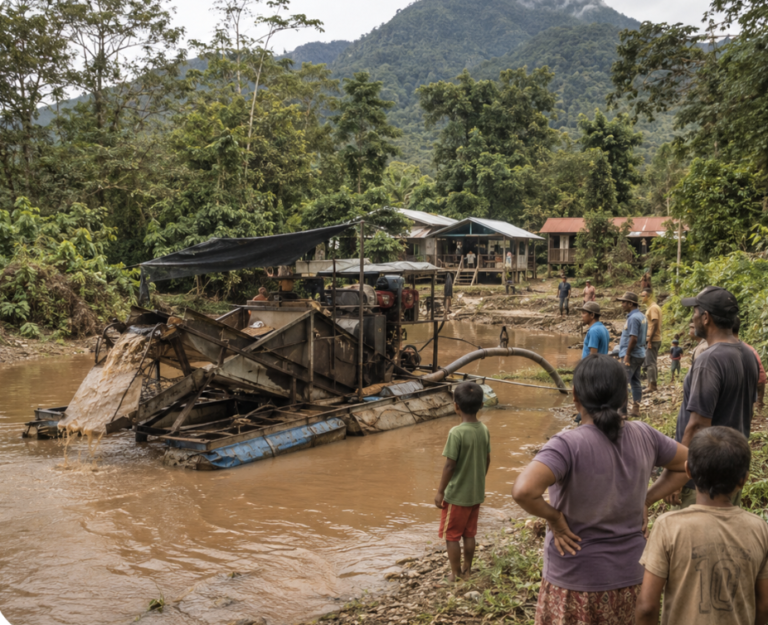
Infrastructure and economic activity face two different kinds of disruption. One comes from flood damage; the other comes from low‑water isolation. During severe La Niña floods, bridges, roads, and culverts can be destroyed. As a result, communities across the North, Central, and South Rupununi can be cut off, and prices for basic goods and services can rise. Floods also shut down road and river access, disrupting the movement of goods and pushing up costs in Upper Rupununi communities during wet years. During extreme El Niño years, record-low river levels constrain navigation and access. Therefore, disruption shifts toward river transport, service delivery, and supply chains that depend on passable waterways. The 1997-1998 El Niño drought coincided with a 37% drop in rice production and a 40% reduction in gold exports due to disruptions to water-dependent mining. That shows how quickly water scarcity can translate into economy‑wide losses. This profile demands contingency planning that treats flood isolation and low‑water isolation as distinct threats, each with different logistics solutions.
Health risks rise through heat, smoke, and unsafe water. As a result, early warning and basic preparedness become public safety, not just policy. ENSO‑driven heat during El Niño promotes disease vectors and coincides with spikes in mosquito‑borne illnesses such as Dengue, Zika, and Malaria. El Niño droughts can also restrict access to safe drinking water. Therefore, some households turn to untreated river water, and outbreaks of waterborne diseases such as diarrhea and vomiting increase. Flood extremes also compromise water safety and sanitation. Dense smoke from ENSO-fueled megafires drives widespread respiratory infections and has forced school suspensions, adding acute pressure during drought-fueled fire seasons. For policymakers, a practical package aligns with documented priorities: strengthen hydro-meteorological and climate monitoring networks, incorporate ENSO signals into early warning systems for floods, droughts, and fires, and implement proactive, community-inclusive, integrated fire management that shifts from reactive firefighting to prevention. Minimum state capability links monitoring, early warning, and proactive fire‑water response to protect health, food, and access under phase-specific extremes.
A simple ENSO (El Niño and La Niña) plan that people can see
People in the Rupununi already know the pattern: some years the water disappears, and other years it comes too fast. ENSO phases help explain why, and they offer a simple way to prepare. The core point is straightforward: ENSO reshapes water extremes, which then drive ecosystem stress and livelihood risk, including drought-driven megafires and flood-driven isolation. Therefore, it helps to treat El Niño and La Niña as clear operating scenarios, not surprises. For policymakers, that means integrated drought–flood management that reflects phase‑specific risk in hinterland and Indigenous communities and treats monitoring and preparedness as core public functions. This blog shows why that path is credible and how it can turn recurring extremes into manageable operating scenarios.
First, ENSO phases swing the corridor between drought and low rivers and then flood isolation. As a result, what works in a dry year can fail in a wet year, and vice versa. Therefore, roads, farming support, and logistics need clear phase triggers, not generic seasonal plans. Second, ENSO water anomalies drive megafires, forest‑freshwater stress, and smoke‑food‑web disruption through linked fuel, groundwater, and flood‑pulse dynamics. Because of that, water policy and fire policy must operate as a single risk system. Third, monitoring, early warning, and proactive fire‑water response define the state’s minimum capability set. That is because health, food security, and mobility deteriorate when warnings arrive late, and responses stay reactive. Together, these anchors justify a shift from event-by-event crisis management to an ENSO-phase playbook that anticipates the corridor’s most damaging transitions.
Return to early 2024. Drought, historic low river levels, and more than 4,000 wildfires created an emergency that escalated faster than routine capacity could absorb. A phase-based playbook addresses that pattern by pairing stronger monitoring with ENSO-triggered early warning and proactive integrated fire management. It also treats low-water access constraints as a standing logistics risk during El Niño conditions. Priorities already documented include strengthening hydro-meteorological monitoring, embedding ENSO signals into early warning systems for floods, droughts, and fires, and shifting to community-inclusive, integrated fire management built for prevention rather than reaction. The cost of inaction is a repeat cycle: the corridor’s next ENSO swing is already on us. Can we turn predictable extremes into avoidable emergencies? For the development planning context that frames these risks, see Guyana’s Oil Boom 2015 to Today at Watkins Advisory and Guyana’s Oil Boom: Fast Growth, Hard Choices at The Next Wave.
Explore the Rupununi
Dive deeper into the Rupununi’s natural and human world. Explore the region’s ancient geology and Guiana Shield, the remarkable wildlife of the Rupununi, the rich history of human settlement, and the living culture of the people of the Rupununi. Learn more about the authors behind this companion site, and follow the latest thinking on conservation and development in the Rupununi Blog.
Discover more from Rupununi: Rediscovering a Lost World
Subscribe to get the latest posts sent to your email.