
Rupununi Village Carbon Money Needs Markets
Lessons from Annai, Surama, and Rewa.
Rupununi has money, but a durable business needs more.
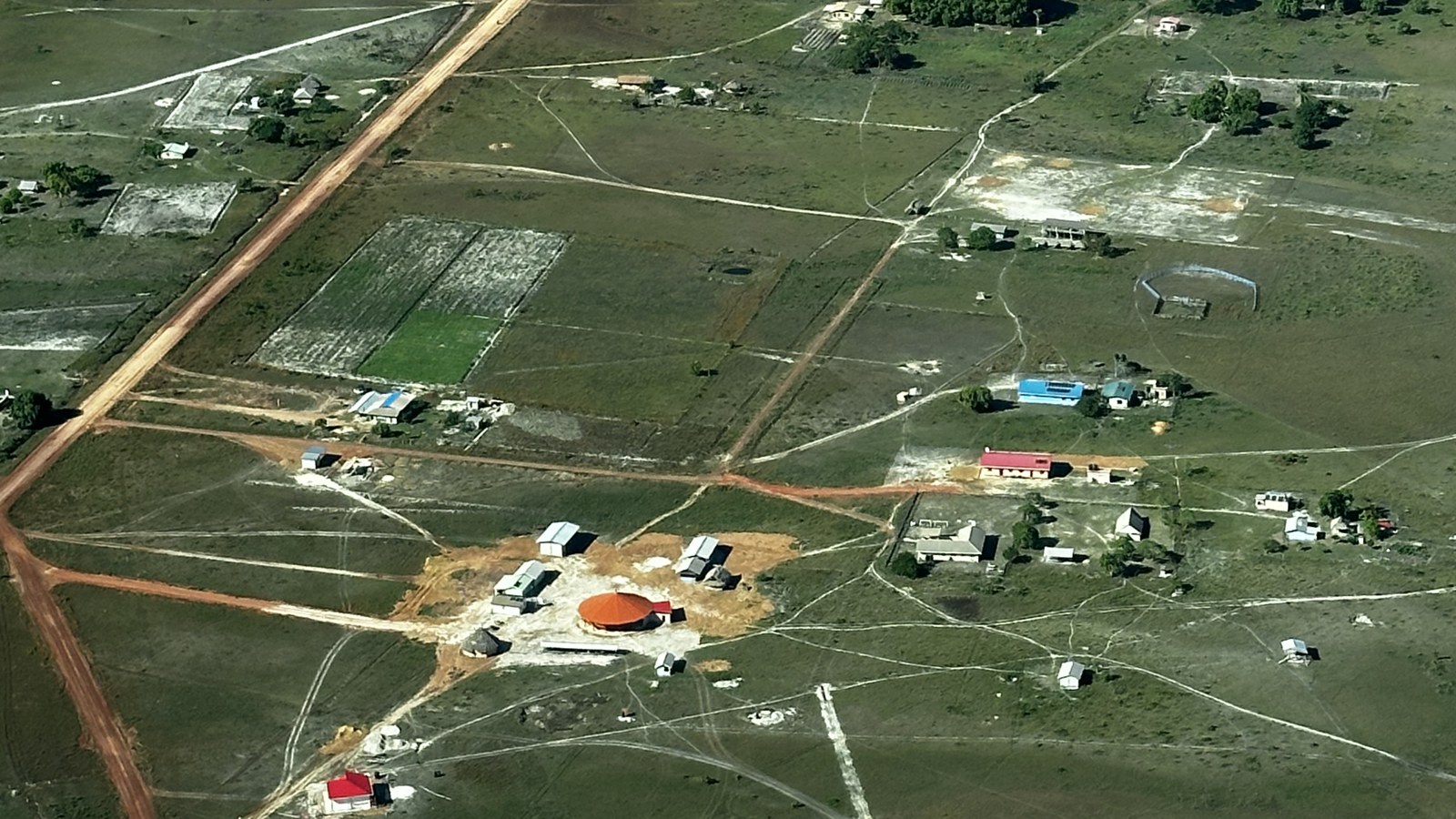
How villages use carbon money will determine how they manage the effects of paving the Georgetown-Lethem Road. Villages need to turn carbon money into solid, long-term businesses ready for larger markets along the paved road. Annai has built a cassava processing plant that employs six people. Surama has already built a profitable lodge and associated tourism businesses. From 2023 to 2025, Guyana’s carbon credit sales delivered over G$14.4 billion (about US$69 million) directly to villages. Once the government paves the road, the drive from Linden to Lethem will take about 4 hours instead of over 12. The shorter drive makes markets in Linden, Georgetown, and Lethem more accessible. It also means visitors can reach their destination in under 3 hours and don’t need to fly.
Many earlier businesses in the region failed because they lacked markets, market access, or planning support. Markets need to come through either public procurement for village production or private-sector partnerships that scale opportunities. Outside villages, no one can see how village plans are implemented or whether they deliver results. This post looks at how villages plan, how village businesses connect with buyers or partners, and how we can better track success and failure. The post ends with suggestions for district and village councils, using Surama and Rewa as examples of success.
Villages that plan for buyers create businesses that last.
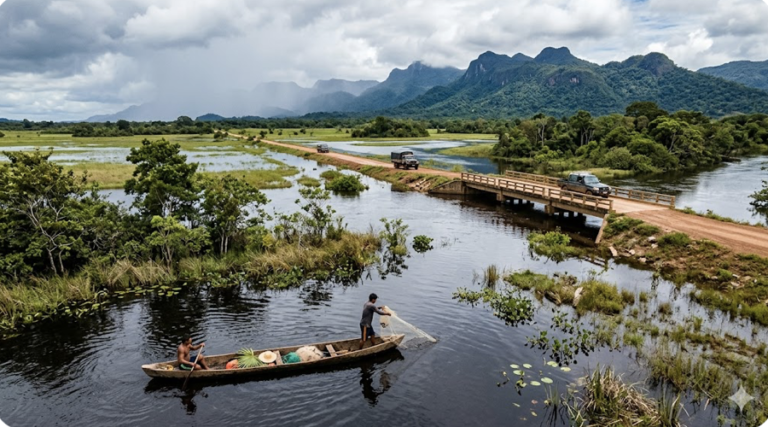
Surama and Rewa have developed lodges and associated tourism services that have run for long periods following rules. Surama’s tourism interest probably began back in 1988 with the visit of Operation Raleigh. The village tourism initiative has a sound record of leadership, good bookkeeping, and internal accountability. These characteristics have been important to its success. Benefits flow to the individuals and families that put the most effort into the Surama Lodge. Rewa runs its lodge through a tourism committee, which works with, but is independent of, the village council. The Annai Village Council began a fishpond project funded by grants but did not complete it because of water and management challenges.
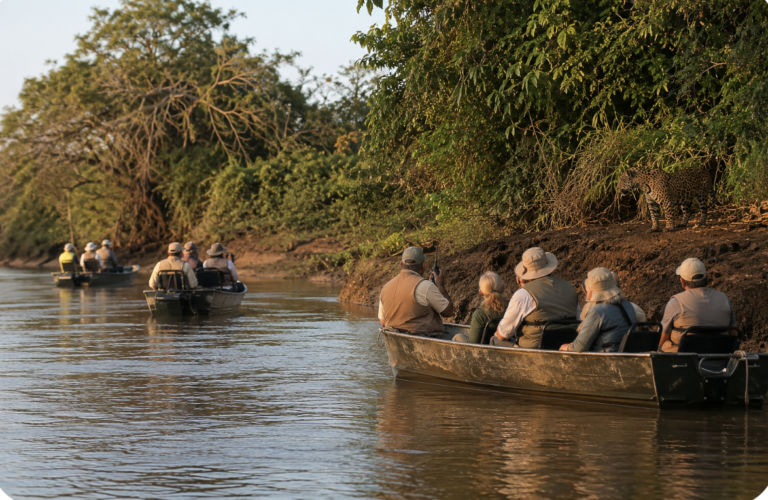
Villages kept businesses running that had existing markets. Since the early 2010s, Rewa has sold Arapaima sport fishing trips. Surama partners with tour companies that bring visitors to the village. In 2026, perhaps 10,000 visitors will stay overnight in the Rupununi. While there is no official count, that’s five times the estimated number of visitors in 2010. Rewa and Surama will both see growing markets. This is positive, especially since a 2018 survey of 200 community-run lodges in Latin America found an average occupancy of 5%. Iwokrama helped train Wowetta beekeepers, but they struggled to find markets for their honey. A recent honey market assessment found that three-quarters of beekeepers sold their products to one contact, usually in their village; less than 10% reached Georgetown. Aquarium fish had buyers in Georgetown who shipped to the US; connecting villages to them was almost impossible.
Schools and lodges already buy from villages.
Region 9 schools and private lodges buy food products from the villages. This can be an important market for village products, but risky if villages become dependent on one buyer. In the early 2000s, seven villages sold cassava bread, peanut butter, and other snacks worth almost US$100,000 to the Ministry of Education. The Aranaputa peanut butter business employed 50 women. Aishalton women began raising chickens for the school hot meal kitchen in 2023. When schools cannot find local food products, they will buy from Georgetown, Lethem, or even Brazil, food with high transport costs. However, when the regional administration ended Aranaputa’s school contract for peanut butter, the Ministry of Education still owed G$1.2 million. In Surama, village fishers, farmers, and hunters sell food to the village lodge. Visitors at the lodge are a steady market. Because visitors will keep coming, the honey market can also benefit.
Village projects rarely specify the buyers or partners.
The government counts and categorizes village projects but rarely identifies key markets and partners. A government chart produced in 2023 shows “economic” projects supporting local businesses and activities as being the largest category of village projects. Across the interior, about 230 of the 1,300 village projects were economic. These projects included lodging in Karasabai, which earns money and provides jobs but doesn’t describe what the lodging is for. An exception is the Quiko village project, a farm that supplies Shulinab’s hot meal kitchen and Lethem restaurants.
Private tourism partners bring visitors to villages, and villages give up some control of the market. Wilderness Explorers, a Guyanese tour company, has partnered with Surama. Several partners established Rock View Lodge in Annai in 1993. The Lodge works closely with surrounding villages, including Annai, Wowetta, and Surama. Rock View is part of a cluster of offerings that includes the Iwokrama Lodge and the Iwokrama Canopy Walkway. Throughout Latin America, private lodges offer secure opportunities for employment or to sell crafts and produce from nearby villages. Several have partnership arrangements in which they transfer a share of profits to local communities that own the land. The Infierno community in Peru agreed to work only with Rainforest Expeditions for the first 20 years, limiting potential expansion.
Lenders and grantors who ask for plans get returns.
A critical factor in whether village businesses sink or swim is whether the initial grant or investment requires an up-front plan. The North Rupununi District Development Board developed a fund that lent to five of the 16 villages. Surama repaid the loan in full, plus 10% interest, making the village a prime candidate for future lending. Chalalan Lodge in Bolivia has opened its books to village meetings every year since 2000. Often, however, village tourism grants do not demand evidence of results. A 2009 report found that 60% of Jamaican village tourism firms got repeat grants without having to show improvements. Of the 154 villages that received Amerindian Development Fund grants, evaluators found only 28 projects still running in 2018. Government and donor grants are very forgiving: a business with no buyers disappears, but a grant-funded project can fail and still get another grant.
Nobody seems to track what works and what doesn’t.
The Ministry of Amerindian Affairs pays the carbon funds to villages, but it does not oversee how the villages spend the money. The Amerindian Development Fund unit had only 4 staff members to cover 161 villages, so it could not give the required attention to delivering results. Community development officers visited village projects every quarter, but oversight was still limited. Centralized capacity often limits oversight and market support. Program managers also struggle to justify the overhead required to deliver results to donors.
Sometimes, village businesses become dependent on the government and donor grants that established them. For example, school meal programs may depend solely on external donor funding, and when that funding ends, the programs end. Honey production has grown mainly through equipment and training provided free through a European Union-funded program. When governments change politically, they can remove programs. When the government changed in 2015, the new administration fired 1,972 community support officers. Donors may also freeze funding; Norway froze its forest payments through the Guyana REDD+ Investment Fund until after the 2020 election. When Ecuador stopped forest payments in 2015, communities close to roads stopped conserving. COVID closed schools, so many who sold to schools also had to close.
Villages pay to protect fish that visitors come to see.
Villages may conserve more than just forest carbon, but they don’t receive payments for protecting biodiversity. Communities around Rewa have managed Arapaima relatively well. Rewa’s tourism business depends on higher Arapaima numbers, so the community protects the fish. But Arapaima protection requires patrol and policing costs that payments do not cover. The government has a responsibility to enforce the law, including protecting endangered species, but it lacks the capacity to reach remote areas. So far, no financial mechanism bridges this gap, but management costs and ways to monitor results exist. With the most recent carbon fund transfers to villages, strict rules govern how the money is handled. This includes recording receipts and reporting, but not measuring results. An earlier design, described in a 2018 study, linked payments to village monitoring of its own forest carbon loss.
Village councils can use these lessons to build better plans.
Here are five recommendations based on these experiences.
When building plans, village councils need to clarify the buyers and markets for any business project. Karasabai needs to clarify who will stay in the cabins. Rupununi aquarium fish and honey businesses need to know the market and how to reach it. Quiko’s farm supplies to Shulinab’s school kitchen and Lethem restaurants. A 2018 analysis of community-based tourism in the region found that market links built during planning were the strongest predictor of success. A study of Kapawi Lodge in Ecuador reached the same conclusion: begin with marketing and the plan.
Village councils should focus on building capacities to access existing markets and avoid depending on a single buyer. A 2023 government audit of school feeding programs recommended helping village farmers improve supply quality and predictability. A 2010 Rupununi tourism analysis identified transportation costs as the region’s greatest limitation. Paving the road should ease this market access challenge.
Councils should manage grants and loans the same way.
Councils should manage grant money like a loan: with a plan, clear results, and clear accounts. There is a clear need to ensure greater public transparency in village spending decisions beyond the plans, and to review implementation. Councils should make information available through village meetings and online, as Chalalan Lodge does every year. The lack of data on results, jobs, and income was a major limitation to the Amerindian Development Fund’s evaluations.
Grant funding and government program purchasing will end. So, villages should plan for when funding stops. Then, councils need to agree at the beginning who will cover running costs when a grant ends.
Where villages have private partnerships, manage the terms of the agreements. Long-term exclusive rights benefit the private partner but limit the village. Private partners can lock in their benefits over long time periods, so agreements should include exit clauses. Before advancing with a project, the village councils should know who will buy the product or service. They should ask how the product will get to clients or the person receiving the service. Councils should also know who will pay the costs once the grant ends. They should ask about the terms of any partnership with the private sector or government. Finally, they should be clear on what they will measure and report each year.
Discover more from Rupununi: Rediscovering a Lost World
Subscribe to get the latest posts sent to your email.


One Comment